The store will not work correctly when cookies are disabled.
Raamatukoi kasutab küpsiseid, et tagada e-poe toimimine, pakkuda paremat kasutajamugavust, mõõta e-poe külastatavust ning kuvada teile personaalseid pakkumisi ja reklaame. Klõpsates 'Nõustun', annate oma nõusoleku vajalike ja valikuliste küpsiste kasutamiseks.
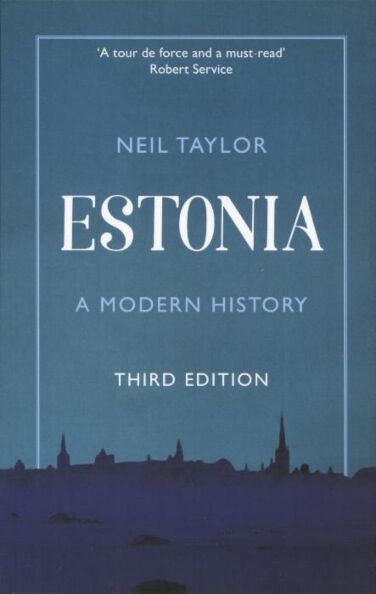
With only 1.3 million inhabitants, Estonia is one of Europe's least populous nations—yet it boasts one of the continent's fastest growing economies. In the first serious English-language history of this small Baltic state, Neil Taylor charts Estonia's long, arduous journey to its present-day prosperity, through a thousand years of occupation by Danes, Swedes, Germans and Russians.
In the wake of the First World War, out of the heat of a national awakening and the collapse of the Russian and German empires, Estonia was recognised as an independent nation in 1920. This was not to last—the country was tossed between the Soviets and Nazis during the Second World War, then fully integrated into the USSR, bringing on more than half a century of renewed occupation and misery. But hopes of true independence never dimmed and, in 1991, the Republic of Estonia was restored.
This unflinching history includes charming moments of colour and levity: from ambassadorial reports on nude bathing and a presidential press conference beside a dirty toilet, to the story of a blind pianist, the first foreigner allowed to visit the city of Tartu in the Soviet era.
Neil Taylor's Bradt Travel Guide to Estonia remains the definitive guidebook to the country. After a lifetime in the travel industry, having pioneered tourism to Estonia in 1992, he received an MBE in 2021 for contributions to UK-Estonia relations. He divides his time between London and Tallinn.
This timely and gripping narrative guides us through Estonia's rich history: its centuries under foreign control and its dramatic struggles for independence. Neil Taylor wears his erudition ligthly, interlacing nuanced history with great insight into leading personalities – and humour. A treat for historians and travellers to Estonia alike. Adrian Bridge, The Telegraph
With only 1.3 million inhabitants, Estonia is one of Europe's least populous nations—yet it boasts one of the continent's fastest growing economies. In the first serious English-language history of this small Baltic state, Neil Taylor charts Estonia's long, arduous journey to its present-day prosperity, through a thousand years of occupation by Danes, Swedes, Germans and Russians.
In the wake of the First World War, out of the heat of a national awakening and the collapse of the Russian and German empires, Estonia was recognised as an independent nation in 1920. This was not to last—the country was tossed between the Soviets and Nazis during the Second World War, then fully integrated into the USSR, bringing on more than half a century of renewed occupation and misery. But hopes of true independence never dimmed and, in 1991, the Republic of Estonia was restored.
This unflinching history includes charming moments of colour and levity: from ambassadorial reports on nude bathing and a presidential press conference beside a dirty toilet, to the story of a blind pianist, the first foreigner allowed to visit the city of Tartu in the Soviet era.
Neil Taylor's Bradt Travel Guide to Estonia remains the definitive guidebook to the country. After a lifetime in the travel industry, having pioneered tourism to Estonia in 1992, he received an MBE in 2021 for contributions to UK-Estonia relations. He divides his time between London and Tallinn.
This timely and gripping narrative guides us through Estonia's rich history: its centuries under foreign control and its dramatic struggles for independence. Neil Taylor wears his erudition ligthly, interlacing nuanced history with great insight into leading personalities – and humour. A treat for historians and travellers to Estonia alike. Adrian Bridge, The Telegraph
Uued raamatud - suur osa on laos olemas (seisukord>uus), aga suur osa on ka tellimisel (seisukord > uus tellimisel). Tellimisel raamatud saabuvad lattu enamasti 1-2-3 päeva jooksul.
Kasutatud raamatud (seisukord > väga hea, hea, rahuldav) on kõik kohe laos või poes olemas.
Mis siis teha, kui minu otsitud raamat on läbi müüdud?
Leia otsitav raamat täppisotsinguga siit. Saada oma soov info@raamatukoi.ee. Me salvestame selle ja anname teada, kui raamatu leiame. Vahel leiame kiiresti, vahel kulub aastaid. On raamatuid, mille järjekorras on mitu inimest.
Kuidas raamatud kätte saab?
Saadame raamatuid kõigisse pakikappidesse ja kulleriga otse tellija aadressile. Raamatuile saab ka ise kauplustesse järele tulla: Harju tn 1 Tallinnas või Lossi tn 28 Viljandis. Soome, Lätti ja Leetu saadame raamatuid nii pakikappidesse kui tavapostiga, mujale maailmas samuti tavapostiga. Loe lähemalt siit.
Millises seisukorras on kasutatud raamatud?
Iga kasutatud raamatu eksemplari juures on märgitud seisukord: väga hea, hea, rahuldav, halb ja vajadust mööda ka täpsustus. Loe lähemalt siit.
product
https://raamatukoi.ee/estonia_2025715417Estoniahttps://raamatukoi.ee/media/catalog/product/e/s/estonia_2025.jpg2424EURInStock/ajalugu/Eesti ajalugu17127With only 1.3 million inhabitants, Estonia is one of Europe's least populous nations—yet it boasts one of the continent's fastest growing economies. In the first serious English-language history of this small Baltic state, <b>Neil Taylor</b> charts Estonia's long, arduous journey to its present-day prosperity, through a thousand years of occupation by Danes, Swedes, Germans and Russians. <br /> <br />In the wake of the First World War, out of the heat of a national awakening and the collapse of the Russian and German empires, Estonia was recognised as an independent nation in 1920. This was not to last—the country was tossed between the Soviets and Nazis during the Second World War, then fully integrated into the USSR, bringing on more than half a century of renewed occupation and misery. But hopes of true independence never dimmed and, in 1991, the Republic of Estonia was restored. <br /> <br />This unflinching history includes charming moments of colour and levity: from ambassadorial reports on nude bathing and a presidential press conference beside a dirty toilet, to the story of a blind pianist, the first foreigner allowed to visit the city of Tartu in the Soviet era. <br /> <br />Neil Taylor's <i>Bradt Travel Guide to Estonia</i> remains the definitive guidebook to the country. After a lifetime in the travel industry, having pioneered tourism to Estonia in 1992, he received an MBE in 2021 for contributions to UK-Estonia relations. He divides his time between London and Tallinn. <blockquote>This timely and gripping narrative guides us through Estonia's rich history: its centuries under foreign control and its dramatic struggles for independence. Neil Taylor wears his erudition ligthly, interlacing nuanced history with great insight into leading personalities – and humour. A treat for historians and travellers to Estonia alike. <span>Adrian Bridge, The Telegraph</span></blockquote>Third edition With only 1.3 million inhabitants, Estonia is one of Europe's least populous nations—yet it boasts one of the continent's fastest growing economies. In the first serious English-language history of this small Baltic state, <b>Neil Taylor</b> charts Estonia's long, arduous journey to its present-day prosperity, through a thousand years of occupation by Danes, Swedes, Germans and Russians. <br /> <br />In the wake of the First World War, out of the heat of a national awakening and the collapse of the Russian and German empires, Estonia was recognised as an independent nation in 1920. This was not to last—the country was tossed between the Soviets and Nazis during the Second World War, then fully integrated into the USSR, bringing on more than half a century of renewed occupation and misery. But hopes of true independence never dimmed and, in 1991, the Republic of Estonia was restored. <br /> <br />This unflinching history includes charming moments of colour and levity: from ambassadorial reports on nude bathing and a presidential press conference beside a dirty toilet, to the story of a blind pianist, the first foreigner allowed to visit the city of Tartu in the Soviet era. <br /> <br />Neil Taylor's <i>Bradt Travel Guide to Estonia</i> remains the definitive guidebook to the country. After a lifetime in the travel industry, having pioneered tourism to Estonia in 1992, he received an MBE in 2021 for contributions to UK-Estonia relations. He divides his time between London and Tallinn. <blockquote>This timely and gripping narrative guides us through Estonia's rich history: its centuries under foreign control and its dramatic struggles for independence. Neil Taylor wears his erudition ligthly, interlacing nuanced history with great insight into leading personalities – and humour. A treat for historians and travellers to Estonia alike. <span>Adrian Bridge, The Telegraph</span></blockquote>Third edition