The store will not work correctly when cookies are disabled.
Raamatukoi kasutab küpsiseid, et tagada e-poe toimimine, pakkuda paremat kasutajamugavust, mõõta e-poe külastatavust ning kuvada teile personaalseid pakkumisi ja reklaame. Klõpsates 'Nõustun', annate oma nõusoleku vajalike ja valikuliste küpsiste kasutamiseks.
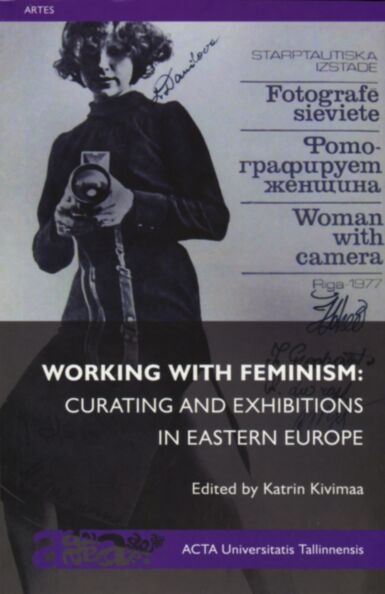
This edited collection, bringing together art historians and curators working both in the ‘East' and the ‘West' of Europe, is a result of a growing interest in the theorisation and historical analysis of feminist curating as a distinct practice with its own transnational history and politics.
In most former state-socialist countries of Eastern Europe, the emergence and public visibility of feminist curating and exhibitions usually dates back to the 1990s and is associated with the radical transformation of art practices, ideologies and art systems as well as with wider socio-political and intellectual changes, and challenges, of post-socialist transition. This history, and its legacy, is addressed in this book through national and regional case-studies ranging from the Baltics to the Balkans.
An equally significant part of the book is dedicated to the present and future of feminist curating, as well as of other politicised forms of curatorial activities (e.g. queer curating). In addition to the theoretical or historical accounts presented, the collection includes two highly relevant interviews with curators: Bojana Pejic on the block-buster exhibition Gender Check (2009–2010) in Vienna and Warsaw; and Airi Triisberg and Rebeka Põldsam on Untold Stories (2011), the first international queer exhibition in Tallinn, Estonia.
This edited collection, bringing together art historians and curators working both in the ‘East' and the ‘West' of Europe, is a result of a growing interest in the theorisation and historical analysis of feminist curating as a distinct practice with its own transnational history and politics.
In most former state-socialist countries of Eastern Europe, the emergence and public visibility of feminist curating and exhibitions usually dates back to the 1990s and is associated with the radical transformation of art practices, ideologies and art systems as well as with wider socio-political and intellectual changes, and challenges, of post-socialist transition. This history, and its legacy, is addressed in this book through national and regional case-studies ranging from the Baltics to the Balkans.
An equally significant part of the book is dedicated to the present and future of feminist curating, as well as of other politicised forms of curatorial activities (e.g. queer curating). In addition to the theoretical or historical accounts presented, the collection includes two highly relevant interviews with curators: Bojana Pejic on the block-buster exhibition Gender Check (2009–2010) in Vienna and Warsaw; and Airi Triisberg and Rebeka Põldsam on Untold Stories (2011), the first international queer exhibition in Tallinn, Estonia.
Uued raamatud - suur osa on laos olemas (seisukord>uus), aga suur osa on ka tellimisel (seisukord > uus tellimisel). Tellimisel raamatud saabuvad lattu enamasti 1-2-3 päeva jooksul.
Kasutatud raamatud (seisukord > väga hea, hea, rahuldav) on kõik kohe laos või poes olemas.
Mis siis teha, kui minu otsitud raamat on läbi müüdud?
Leia otsitav raamat täppisotsinguga siit. Saada oma soov info@raamatukoi.ee. Me salvestame selle ja anname teada, kui raamatu leiame. Vahel leiame kiiresti, vahel kulub aastaid. On raamatuid, mille järjekorras on mitu inimest.
Kuidas raamatud kätte saab?
Saadame raamatuid kõigisse pakikappidesse ja kulleriga otse tellija aadressile. Raamatuile saab ka ise kauplustesse järele tulla: Harju tn 1 Tallinnas või Lossi tn 28 Viljandis. Soome, Lätti ja Leetu saadame raamatuid nii pakikappidesse kui tavapostiga, mujale maailmas samuti tavapostiga. Loe lähemalt siit.
Millises seisukorras on kasutatud raamatud?
Iga kasutatud raamatu eksemplari juures on märgitud seisukord: väga hea, hea, rahuldav, halb ja vajadust mööda ka täpsustus. Loe lähemalt siit.
product
https://raamatukoi.ee/working-with-feminism-curating-and-exhibitions-in-eastern-europe177183Working with Feminism: Curating and Exhibitions in Eastern Europehttps://raamatukoi.ee/media/catalog/product/w/o/working-with-feminism-curating-and-exhibitions-in-eastern-europe.jpg00EUROutOfStock/Kõik teemad/ühiskond10012125This edited collection, bringing together art historians and curators working both in the ‘East' and the ‘West' of Europe, is a result of a growing interest in the theorisation and historical analysis of feminist curating as a distinct practice with its own transnational history and politics. <br /> <br />In most former state-socialist countries of Eastern Europe, the emergence and public visibility of feminist curating and exhibitions usually dates back to the 1990s and is associated with the radical transformation of art practices, ideologies and art systems as well as with wider socio-political and intellectual changes, and challenges, of post-socialist transition. This history, and its legacy, is addressed in this book through national and regional case-studies ranging from the Baltics to the Balkans. <br /> <br />An equally significant part of the book is dedicated to the present and future of feminist curating, as well as of other politicised forms of curatorial activities (e.g. queer curating). In addition to the theoretical or historical accounts presented, the collection includes two highly relevant interviews with curators: Bojana Pejic on the block-buster exhibition Gender Check (2009–2010) in Vienna and Warsaw; and Airi Triisberg and Rebeka Põldsam on Untold Stories (2011), the first international queer exhibition in Tallinn, Estonia. This edited collection, bringing together art historians and curators working both in the ‘East' and the ‘West' of Europe, is a result of a growing interest in the theorisation and historical analysis of feminist curating as a distinct practice with its own transnational history and politics. <br /> <br />In most former state-socialist countries of Eastern Europe, the emergence and public visibility of feminist curating and exhibitions usually dates back to the 1990s and is associated with the radical transformation of art practices, ideologies and art systems as well as with wider socio-political and intellectual changes, and challenges, of post-socialist transition. This history, and its legacy, is addressed in this book through national and regional case-studies ranging from the Baltics to the Balkans. <br /> <br />An equally significant part of the book is dedicated to the present and future of feminist curating, as well as of other politicised forms of curatorial activities (e.g. queer curating). In addition to the theoretical or historical accounts presented, the collection includes two highly relevant interviews with curators: Bojana Pejic on the block-buster exhibition Gender Check (2009–2010) in Vienna and Warsaw; and Airi Triisberg and Rebeka Põldsam on Untold Stories (2011), the first international queer exhibition in Tallinn, Estonia.