

London, 1100-1600
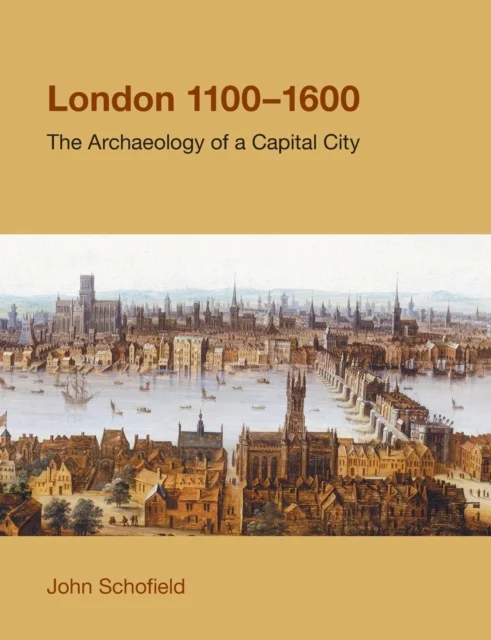
The Archaeology of the Capital City
John Schofield · Equinox Publishing Ltd · 2011
Since the early 1970s the increasingly effective conduct of archaeological work in the City of London and surrounding parts of the conurbation has revolutionised our view of the development of London and its European importance between 1100 and 1600. There have been hundreds of archaeological excavations of every type of site, from the cathedral to chapels, palaces to outhouses, bridges, wharves, streams, fields, kilns, roads and lanes. The study of the material culture of Londoners over these five centuries has begun in earnest, based on thousands of accurately dated artefacts, especially those found along the waterfront. Work by documentary historians has complemented and filled out the new picture.
This book, written by an archaeologist who has been at the centre of this study since 1974, summarises the main findings and new suggestions about the development of the City; its ups and downs through the Black Death and the dissolution of the monasteries; its place in Europe as a capital city with great architecture; and its relations with many other parts of Europe, from the Baltic to the Mediterranean.
Owing to its pace of development, London is the medieval city in Europe most intensively studied by archaeologists, especially since the 1970s. Although it is a study of a single medieval city, this book is a major contribution to the archaeology of Europe in this period.
Uus kasutamata raamat
Detailid
- Alapealkiri
- The Archaeology of the Capital City
- Autor
- John Schofield
- ISBN
- 9781908049728
- Aasta
- 2011
- Kirjastus
- Equinox Publishing Ltd
- Keel
- inglise
- Köide
- Pehme kaas
- Lehekülgi
- 346
- Teema
- Humanitaaria: ajalugu, filosoofia, religioon › Ajalugu — History
- Märksõnad
- Londonkeskaeg (1000–1500)Suurbritannia ja Iirimaa ajalugu — British & Irish historykeskaeg 500-1500 — Early history: c 500 to c 1450/1500varauusaeg 1450-1700 — Early modern history: c 1450/1500 to c 1700
- Kaal
- 780 g