

The Connell Guide To Harper Lee's To Kill a Mockingbird
Stephen Fender · CONNELL PUBLISHING LTD · 2012
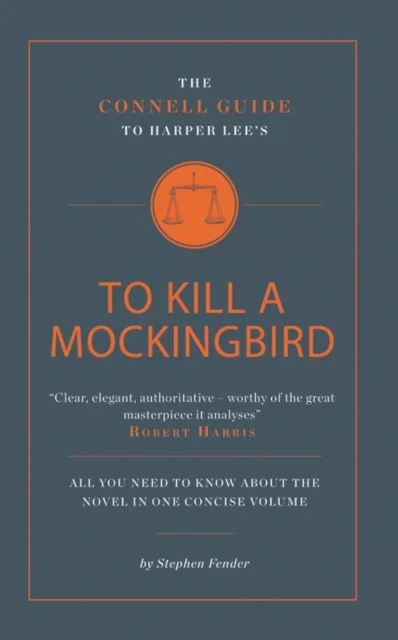
Stephen Fender · CONNELL PUBLISHING LTD · 2012
Within two years of coming out in 1960, To Kill a Mockingbird had been translated into ten languages, won the Pulitzer Prize, and been made into an Oscar-winning film. It spent an astonishing 88 weeks on the American bestseller lists. But while acclaimed by critics it also attracted attention of a different kind. Like The Catcher in the Rye (1951), that other bestseller about childhood, Mockingbird was widely banned from local libraries and school curricula from the 1960s through to the 1980s. One early reviewer called To Kill a Mockingbird “a wholesome book on an unwholesome theme”. Those charged with the care of the youth were hypersensitive about what the fictional young should be made to see and hear in novels: words like “damn”, “piss”, “whore lady” – and (as with Huckleberry Finn) “nigger” – even though in the context of a critique of racial prejudice. But the objections went beyond words alone. The story of children being confronted by a rape case seemed inappropriate in a book to be read by real-life children. So did the book’s portrayal of “institutionalized racism”, as one group of protestors in Indiana put it, “under the guise of ‘good literature’”. In this compelling guide, Stephen Fender looks at why a novel which has been called a “period piece” remains so popular – and examines what it tells us about racism and indeed about the nature of humanity.
Uus kasutamata raamat
Detailid
- Autor
- Stephen Fender
- ISBN
- 9781907776120
- Aasta
- 2012
- Kirjastus
- CONNELL PUBLISHING LTD
- Keel
- inglise
- Köide
- Pehme kaas
- Lehekülgi
- 128
- Teema
- Kirjandus ja kirjandusteadus › Kirjanduslugu ja -kriitika — Literature: history & criticism
- Kaal
- 150 g