

Arheoloogilised välitööd Eestis 2018. Archaeological Fieldwork in Estonia 2018
Erki Russow · Muinsuskaitseamet · 2020
Erki Russow · Muinsuskaitseamet · 2020
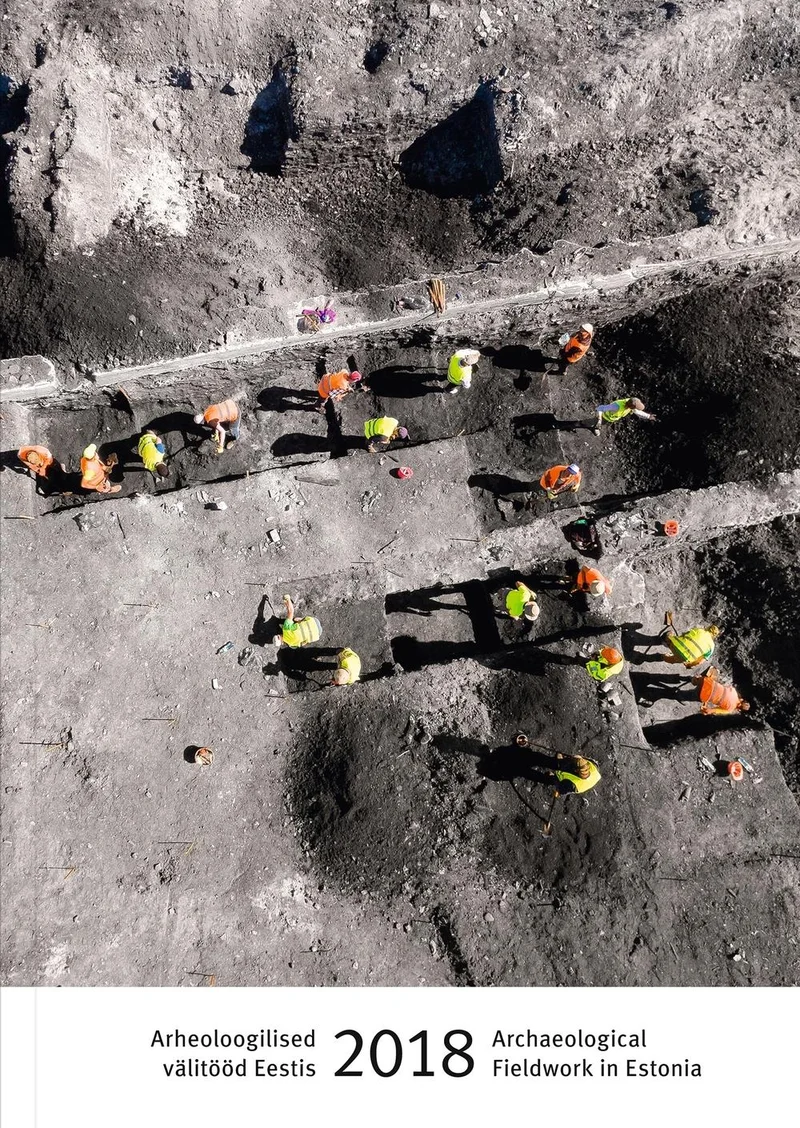
In 2018, altogether 232 instances of archaeological feldwork took place (Fig. 1, Table 1). 231 permits were issued in 2018, 176 by the National Heritage Board (MA) and 55 by the Division of Cultural Heritage of Tallinn City Government. In two cases (Table 1: 41, 60), feldwork was carried out with permit issued in 2017, while in one case, feldwork for which permit has been issued was postponed to the year 2020 (excluded from Table 1 and statistics).¹ The number of feldwork is slightly lower than the previous year (in 2017, it was 253) but on the average scale of the past years it is above the mean (220 permissions per year). Thus from the point of view of general statistics, it can be said that numerically, the year 2018 was a ‘typical' archaeological year in Estonia. Whether it is possible to say this in archaeology at all should become clear afer making acquaintance with the following pages of the present journal.
Pakiautomaati 1–2 p Tule ise järele*Hinnad kehtivad veebipoest ostmisel; kauplustes võivad hinnad erineda
Läbi müüdud — jäta soov ja anname teada, kui raamat on jälle saadaval. Tarne ja kättesaamine
Detailid
- Autor
- Erki Russow
- Aasta
- 2020
- Kirjastus
- Muinsuskaitseamet
- Keel
- eesti
- Köide
- Pehme kaas
- Lehekülgi
- 284
- Kujundaja
- Joosep Siitan
- Mõõdud
- 240 × 170 mm
- Tiraaž
- 0
- Artikkel
- R0282915