

Estonia and Poland: Creativity and tradition in cultural communication
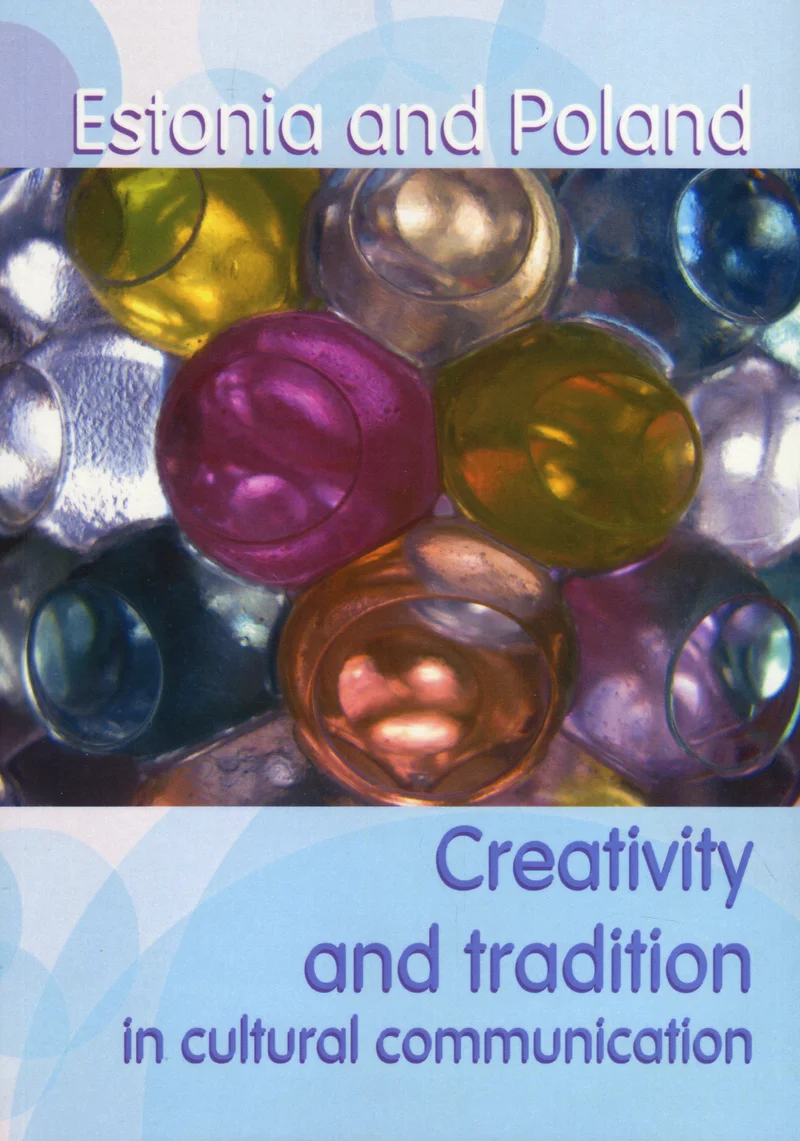
Jokes and their relations
Eesti Kirjandusmuuseum · 2012
This book deals with the creativity and tradition of cultural phenomena in the rapidly transforming post-socialist societies. Parallel research articles by Estonian and Polish authors set out to analyse media texts and other contemporary (folkloric) narratives in order to pin down the influence of political and economic changes on culture. Research material for Volume 1: Jokes and their relations includes primarily humour, but also proverbs and online aggressiveness. The results throw light on the similarities and differences in the ways cultural narratives have changed in the past decades and identity issues in the former Eastern Bloc are reflected in everyday texts, either online, on television, or in face-to-face communication. The analysis of cultural significant texts also helps to redefine the borders and influences of the local and the global in creativity and tradition.
Contents:
Contents:
- A. Krikmann. Estonian three nation jokes (1964-2012)
- D. Brzozowska. Three characters in Polish jokes
- L. Laineste. Women in Estonian jokes
- D. Brzozowska. Family in Polish jokes
- L. Laineste. Stand-up in Estonia: From Soviet estrada to Comedy Estonia
- W. Chlopicki. Stand-up tragedy in Poland?
- M. Rebane. Some aspects of telling political jokes in Soviet Estonia
- M. Poprawa. Polish political humour. An outline of the phenomenon
- M. Lõhmus. Political correctness and political humour in Soviet Estonia and beyond
- G. Strzadala. Censorship in the People's Republic of Poland
- A. Baran. Visual humour on the Internet
- T. Piekot. Pictorial representation of idioms in Internet humour
- L. Laineste. Verbal expressions of aggressiveness on the Estonian Internet
- A. Tereszkiewicz. Do Poles flame? Aggressiveness on Polish discussion groups and social networking sites
- P. Voolaid. In graffiti veritas: A paremic glance at graffiti in Tartu
- G. Szpila. Regulating the reality? Proverbs in Polish graffiti
Pakiautomaati 1–2 p Tule ise järele*Hinnad kehtivad veebipoest ostmisel; kauplustes võivad hinnad erineda
Laos: uus raamat 16,00 €. Tellimusele saab tasuta järele tulla Raamatukoi poodi Tallinnas (Harju 1). Saadame ka Omniva (2,20 €) ja SmartPosti (2,40 €) pakiautomaatidesse ning kulleriga (4,90 €). Omniva pakiteenusega saadame üle kogu maailma. Tarne ja kättesaamine
Detailid
- Alapealkiri
- Jokes and their relations
- Aasta
- 2012
- Kirjastus
- Eesti Kirjandusmuuseum
- Keel
- inglise
- Köide
- Pehme kaas
- Lehekülgi
- 284
- EAN
- 9789949490202
- Toimetaja
- Dorota Brzozowska, Wladyslaw Chlopicki, Liisi Laineste
- Kaanekujundaja
- Pille Niin
- Mõõdud
- 250 × 175 mm
- Kaal
- 520 g
- Tiraaž
- 0
- Artikkel
- R0207040