The store will not work correctly when cookies are disabled.
Raamatukoi kasutab küpsiseid, et tagada e-poe toimimine, pakkuda paremat kasutajamugavust, mõõta e-poe külastatavust ning kuvada teile personaalseid pakkumisi ja reklaame. Klõpsates 'Nõustun', annate oma nõusoleku vajalike ja valikuliste küpsiste kasutamiseks.
Jaan Kross's historical novel Sailing Against the Wind fictionalizes the life of Bernhard Schmidt (1879–1935), an Estonian-born inventor. Schmidt lost an arm in his youth while experimenting with a homemade rocket, resulting in psychological trauma that would plague him for the rest of his life. Largely self-taught, Schmidt was driven to seek recognition of his talents.
He moved to Germany in the 1930s, where, after perfecting techniques for polishing lenses, he began developing ideas for improving astronomical telescopes. He was arrested for selling one to the Russians, and although he got off with only a warning, he later suffered a breakdown and was sent to a mental hospital, where he soon died. Sailing Against the Wind becomes a meditation on national identity, the relationship between history and the individual life, and the mechanisms of the historical novel as a genre.
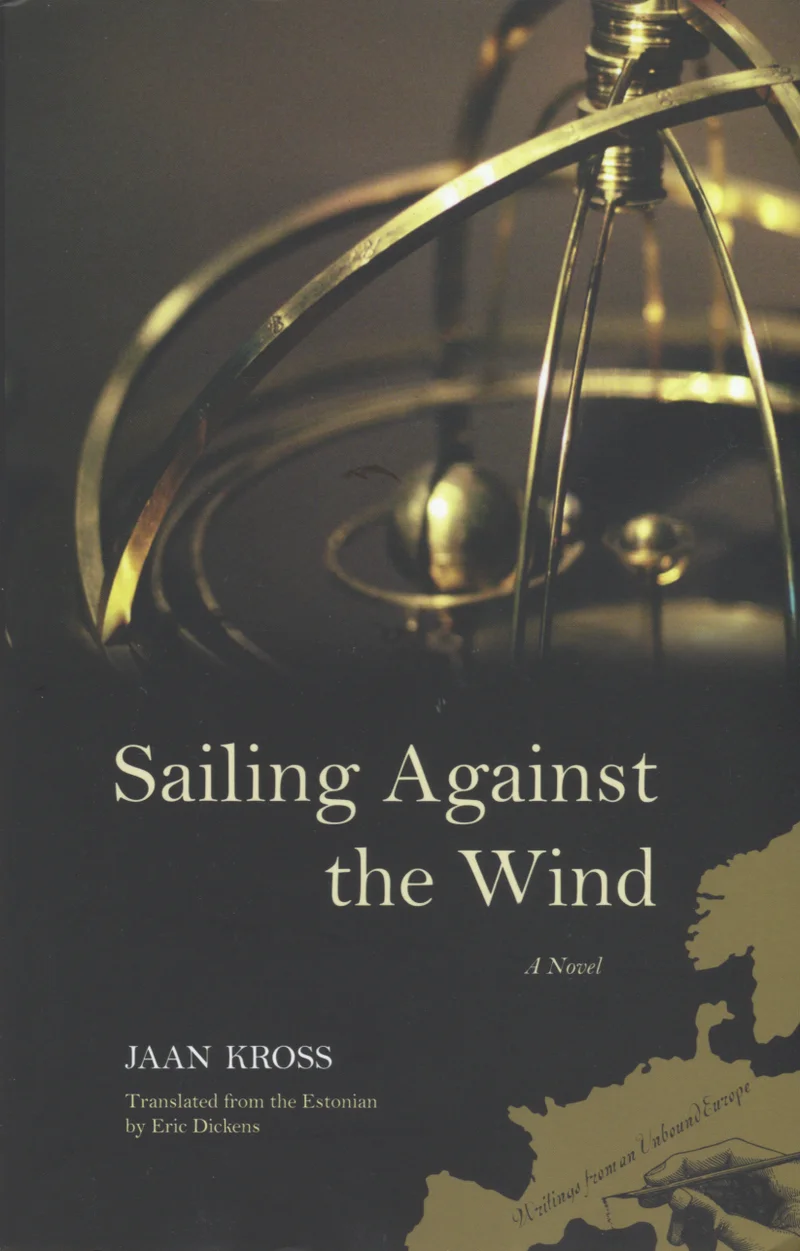
Jaan Kross's historical novel Sailing Against the Wind fictionalizes the life of Bernhard Schmidt (1879–1935), an Estonian-born inventor. Schmidt lost an arm in his youth while experimenting with a homemade rocket, resulting in psychological trauma that would plague him for the rest of his life. Largely self-taught, Schmidt was driven to seek recognition of his talents.
He moved to Germany in the 1930s, where, after perfecting techniques for polishing lenses, he began developing ideas for improving astronomical telescopes. He was arrested for selling one to the Russians, and although he got off with only a warning, he later suffered a breakdown and was sent to a mental hospital, where he soon died. Sailing Against the Wind becomes a meditation on national identity, the relationship between history and the individual life, and the mechanisms of the historical novel as a genre.

Uued raamatud - suur osa on laos olemas (seisukord>uus), aga suur osa on ka tellimisel (seisukord > uus tellimisel). Tellimisel raamatud saabuvad lattu enamasti 1-2-3 päeva jooksul.
Kasutatud raamatud (seisukord > väga hea, hea, rahuldav) on kõik kohe laos või poes olemas.
Mis siis teha, kui minu otsitud raamat on läbi müüdud?
Leia otsitav raamat täppisotsinguga siit. Saada oma soov info@raamatukoi.ee. Me salvestame selle ja anname teada, kui raamatu leiame. Vahel leiame kiiresti, vahel kulub aastaid. On raamatuid, mille järjekorras on mitu inimest.
Kuidas raamatud kätte saab?
Saadame raamatuid kõigisse pakikappidesse ja kulleriga otse tellija aadressile. Raamatuile saab ka ise kauplustesse järele tulla: Harju tn 1 Tallinnas või Lossi tn 28 Viljandis. Soome, Lätti ja Leetu saadame raamatuid nii pakikappidesse kui tavapostiga, mujale maailmas samuti tavapostiga. Loe lähemalt siit.
Millises seisukorras on kasutatud raamatud?
Iga kasutatud raamatu eksemplari juures on märgitud seisukord: väga hea, hea, rahuldav, halb ja vajadust mööda ka täpsustus. Loe lähemalt siit.
product
https://raamatukoi.ee/sailing-against-the-wind175191Sailing Against the Windhttps://raamatukoi.ee/media/catalog/product/s/a/sailing-against-the-wind.jpg00EUROutOfStock/elulood ja mälestused/maailm/ilukirjandus/eesti ilukirjandus/ilukirjandus/ajaloolised romaanid364154123410Jaan Kross's historical novel Sailing Against the Wind fictionalizes the life of Bernhard Schmidt (1879–1935), an Estonian-born inventor. Schmidt lost an arm in his youth while experimenting with a homemade rocket, resulting in psychological trauma that would plague him for the rest of his life. Largely self-taught, Schmidt was driven to seek recognition of his talents. <br /> <br />He moved to Germany in the 1930s, where, after perfecting techniques for polishing lenses, he began developing ideas for improving astronomical telescopes. He was arrested for selling one to the Russians, and although he got off with only a warning, he later suffered a breakdown and was sent to a mental hospital, where he soon died. Sailing Against the Wind becomes a meditation on national identity, the relationship between history and the individual life, and the mechanisms of the historical novel as a genre. Jaan Kross's historical novel Sailing Against the Wind fictionalizes the life of Bernhard Schmidt (1879–1935), an Estonian-born inventor. Schmidt lost an arm in his youth while experimenting with a homemade rocket, resulting in psychological trauma that would plague him for the rest of his life. Largely self-taught, Schmidt was driven to seek recognition of his talents. <br /> <br />He moved to Germany in the 1930s, where, after perfecting techniques for polishing lenses, he began developing ideas for improving astronomical telescopes. He was arrested for selling one to the Russians, and although he got off with only a warning, he later suffered a breakdown and was sent to a mental hospital, where he soon died. Sailing Against the Wind becomes a meditation on national identity, the relationship between history and the individual life, and the mechanisms of the historical novel as a genre.